
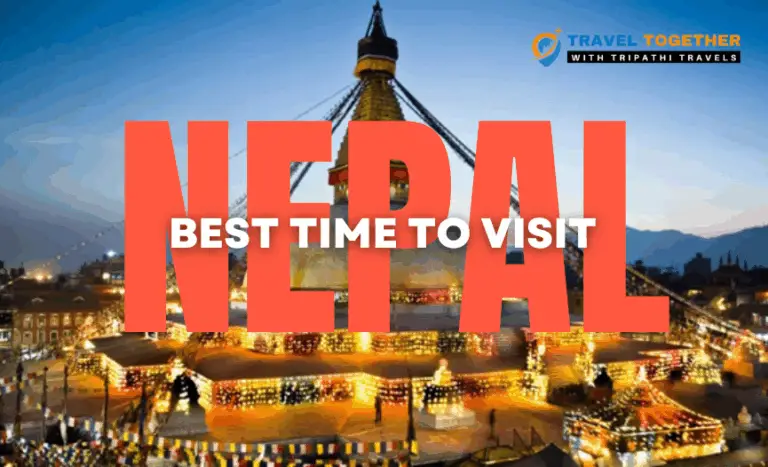
Best Time To Visit Nepal is a big & genuine question rises in travellers mind when they plan to travel Nepal. Actually Nepal changes completely with every season. In one part of the year, travelers experience crystal-clear Himalayan views and colorful trekking trails, while another season brings green valleys, peaceful landscapes, and quieter travel routes. Because of this seasonal variation, the best time to visit Nepal depends less on a single “perfect month” and more on the kind of journey you want to experience.
Some travelers visit Nepal for snow-covered mountain scenery and trekking adventures. Others come for temples, lakes, wildlife safaris, cultural festivals, or short family holidays. Weather conditions in Nepal directly affect travel experiences, especially in mountain regions where visibility and temperatures can change quickly.
Understanding Nepal’s seasons helps travelers choose the right destinations, activities, and travel duration before planning their journey.
From March to May, Nepal enters its spring season. This period is known for pleasant temperatures, blooming rhododendron forests, and clearer mountain visibility across many parts of the country.
Spring creates ideal conditions for outdoor travel. Trekking routes around Everest and Annapurna become active again after winter, while cities like Kathmandu and Pokhara remain comfortable for sightseeing and adventure activities.
Pokhara looks especially beautiful during spring mornings, when calm lakes reflect the surrounding Himalayan peaks. Adventure sports such as paragliding, ultra-light flights, and helicopter tours are also more active during this period because of stable weather conditions.
Travelers who enjoy nature, photography, trekking, or mountain scenery often prefer Nepal during spring because the landscapes feel colorful, lively, and fresh after winter.
The monsoon season generally arrives between June and August. During these months, rainfall becomes common in many regions, especially around hills and lower valleys.
Although many travelers avoid Nepal during monsoon season, this period has its own charm. Forests become greener, rivers flow strongly, and tourist crowds reduce significantly. Travelers looking for peaceful holidays or lower hotel prices often choose this season for relaxed travel experiences.
Mountain visibility may remain inconsistent because of clouds, but cultural tours around Kathmandu Valley, local food experiences, temple visits, and shorter city stays still remain enjoyable.
Road travel in mountain areas may occasionally become slower due to rainfall, so flexible planning is usually recommended during monsoon journeys.
After the monsoon clouds disappear, Nepal enters autumn — the busiest and most popular travel season of the year. From September to November, skies usually become clearer, temperatures remain comfortable, and Himalayan visibility reaches its best level.
This is the season when travelers experience postcard-like views of Mount Everest, Annapurna, Machhapuchhre, and other famous Himalayan peaks.
Autumn is highly preferred for:
Nepal’s biggest festivals, including Dashain and Tihar, also take place during this period. Travelers visiting during autumn often experience local celebrations, traditional decorations, and festive cultural environments throughout the country.
Because autumn is Nepal’s busiest tourism season, hotel prices and activity demand may become higher compared to other months.
Winter arrives from December to February and brings colder weather, especially in mountain regions. However, Nepal does not completely shut down during winter. Cities like Kathmandu and Pokhara continue attracting travelers who prefer quieter surroundings and peaceful sightseeing experiences.
Winter mornings often provide surprisingly clear Himalayan views. The air becomes cleaner, and snow-covered mountains appear sharper against blue skies during sunny days.
Many travelers who avoid heavy tourist crowds prefer winter because:
High-altitude trekking routes can become difficult due to snow and freezing temperatures, but shorter trips and city-based holidays remain comfortable with proper preparation.
Not every traveler visits Nepal for the same reason. Some visitors prioritize trekking, while others simply want mountain views and peaceful sightseeing.
Spring and autumn usually provide the most stable weather and clearer visibility.
Monsoon season and late winter often offer lower hotel prices and reduced tourist crowds.
Spring and autumn are commonly preferred because of comfortable temperatures and better sightseeing conditions.
Cooler months between October and March are generally more comfortable for jungle activities around Chitwan and nearby regions.
Nepal’s geography creates major weather differences between destinations. Mountain regions remain much colder than cities and lowland areas, even during warmer seasons.
Travelers planning Nepal tours should keep:
Weather can also occasionally affect flights and mountain road journeys, particularly in remote regions.
One of Nepal’s biggest travel advantages is that the country feels different throughout the year. Spring offers colorful hills and active trekking routes. Monsoon transforms valleys into lush green landscapes. Autumn creates crystal-clear Himalayan scenery, while winter brings peaceful travel experiences with fewer crowds.
Because of this seasonal diversity, Nepal remains attractive for both first-time visitors and repeat travelers looking for different experiences every time they visit.
Travel Together With Tripathi Travels assists travelers with Nepal tour planning, transportation arrangements, hotel booking support, sightseeing coordination, and seasonal travel guidance based on weather and travel preferences.
Whether travelers are planning a short Kathmandu-Pokhara holiday, an adventure trip, a family tour, or a mountain experience, proper seasonal planning helps create a smoother and more comfortable journey.
October and November are generally considered best for clear Himalayan visibility.
Yes, many destinations remain suitable for sightseeing and peaceful travel during monsoon months.
Yes, Kathmandu, Pokhara, and wildlife destinations remain comfortable during winter.
Spring and autumn are usually preferred for trekking because of stable weather and better mountain visibility.
Hotel prices and activity demand may increase during autumn because it is the busiest tourist season.

Travel Together With Tripathi Travels ! Trusted Company In India with office in India & Nepal.
Plan My Trip


 Contact Now
